Pika version
VerifiedPika 2.5 is the latest version, optimized for TikToks, Reels, YouTube Shorts with 42-second render times
Happy Oyster creates interactive 3D worlds for games and VR, while Pika is a fast, accessible AI video generator designed for social media content and short-form clips.

Key facts
Pika 2.5 is the latest version, optimized for TikToks, Reels, YouTube Shorts with 42-second render times
3D world simulator with Directing and Wandering modes, not a short-form video tool
Starting from $8/month, making it one of the most affordable AI video generators
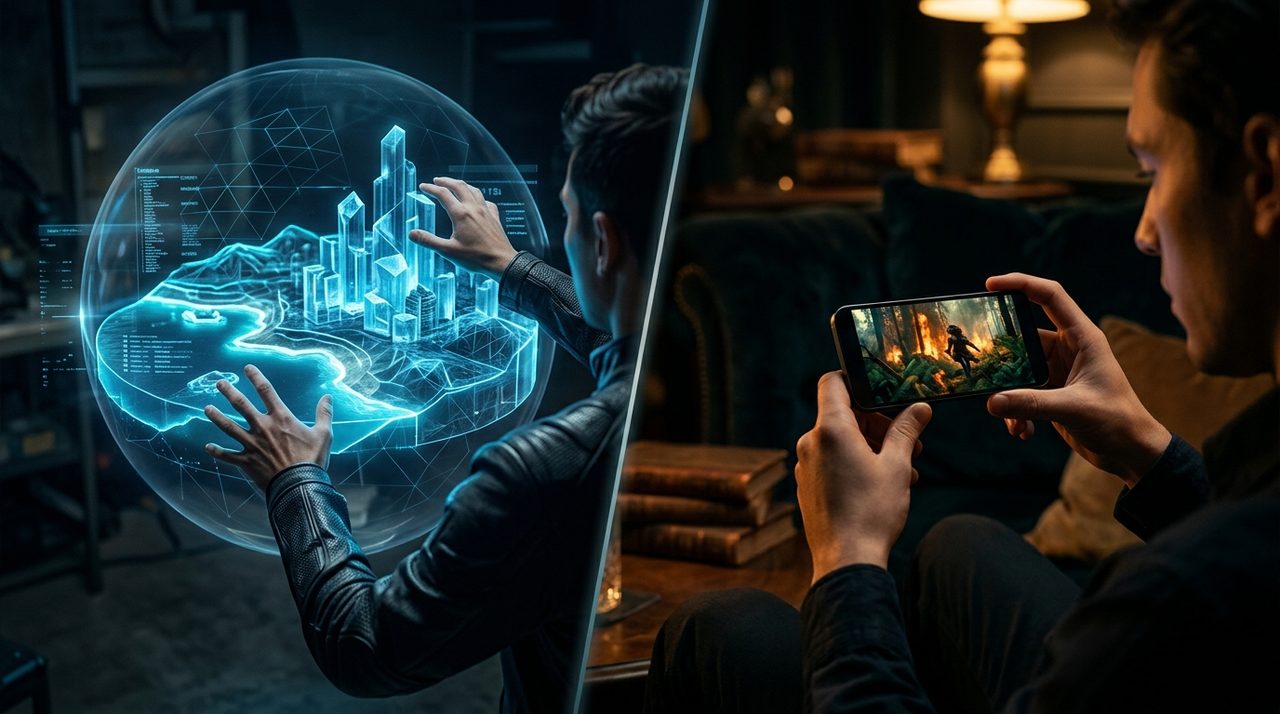
Happy Oyster and Pika occupy opposite ends of the AI content creation spectrum. Happy Oyster builds interactive 3D worlds for professional applications; Pika generates quick video clips for social media. If you are comparing the two, understanding which output format you need will immediately clarify the choice.
Happy Oyster, launched April 16, 2026 by Alibaba's ATH Innovation Division, is a 3D world simulator. It generates explorable three-dimensional environments through Directing mode (guided creation) and Wandering mode (free navigation). The model features native multimodal audio-video co-generation and real-time scene adaptation. It targets game development, film production, and VR applications.
Pika, currently at version 2.5, is an AI video generator built for speed and accessibility. It produces short-form video clips optimized for TikTok, Instagram Reels, and YouTube Shorts, with average render times of 42 seconds. Founded by two Stanford Ph.D. students and backed by $135 million in funding, Pika focuses on making AI video creation fast, affordable, and fun rather than technically complex.
| Feature | Happy Oyster | Pika 2.5 | |---|---|---| | Output type | Interactive 3D worlds | 2D video clips (5-10s) | | Resolution | Not specified | 720p-1080p | | Render time | Not documented | ~42 seconds | | Audio | Native co-generation | Via Pikaformance (lip-sync) | | Special effects | Real-time scene adaptation | Pikaffects (inflate, melt, explode) | | Object manipulation | Not detailed | Pikaswaps (replace objects in video) | | Keyframe control | Directing mode | Pikaframes | | Pricing | Not announced | From $8/month | | Target user | Game devs, VR creators, studios | Social media creators, marketers | | Access | Limited early access | Widely available |
Happy Oyster is built for professional, high-value applications. Generating a 3D world that users can explore interactively is a fundamentally different capability than producing a short video clip. For game studios, VR developers, simulation engineers, and film production teams, Happy Oyster offers a creative tool that did not previously exist in this form.
The real-time adaptation of scenes based on user interaction creates possibilities that no video generator can match. An architect walking through a generated building, a game designer testing a procedural environment, or a filmmaker scouting a virtual location all benefit from the spatial nature of Happy Oyster's output.
Pika excels at what most individual creators actually need: fast, affordable video content. At $8 per month with 42-second render times, Pika removes nearly all friction from the AI video creation process. Its creative tools like Pikaffects (visual effects that transform objects), Pikaswaps (replacing objects mid-video), and Pikaframes (keyframe transition control) are designed for creative experimentation rather than production precision.
Pika's latest innovation, PikaStream 1.0, takes a unique direction by giving AI agents live video presence in meetings. This real-time avatar capability represents a different application of video generation that neither Happy Oyster nor most competitors have addressed.
For marketers creating product teasers, content creators producing daily social media posts, and indie filmmakers on tight budgets, Pika's speed and affordability outweigh the quality advantages of more expensive tools. The 74% usable result rate means most generations require minimal iteration.
These models serve different markets, different budgets, and different output needs. Pika is a consumer tool for video content. Happy Oyster is a professional tool for 3D environments. Comparing them is useful primarily for understanding where AI content creation is heading: from flat, linear video toward interactive, spatial experiences.
If your work involves social media, marketing clips, or quick creative experiments, Pika is the immediate, practical choice. If you are building games, VR experiences, or simulations and can wait for broader access, Happy Oyster represents the frontier of generative 3D.
For evaluating the full landscape of AI creative tools, Elser.ai offers comparison workflows across video and 3D platforms. Read What Is Happy Oyster? for a complete overview, or compare it to more direct competitors like HY-World 2.0 and Runway Gen-4.
Mixed signal
Pika features are publicly documented. Happy Oyster is in limited early access with constrained technical details.
Readers should expect careful wording here because public reporting confirms the topic, while some product details still need cautious treatment.
Recommended tool
Skip the wait — try AI video generation right now with a tool that is available today.
Powered by Elser.ai — works independently of any model discussed above.
Try AI Image AnimatorGet tested prompts, comparison cheat sheets, and workflow templates delivered to your inbox.
FAQ
No. Pika generates 2D video clips optimized for social media. For 3D interactive content, Happy Oyster or HY-World 2.0 are more appropriate.
Pika 2.5 renders videos in approximately 42 seconds. Happy Oyster's generation times are not publicly documented.
Pika is designed for video content, not interactive 3D assets. Happy Oyster is built specifically for game, film, and VR content production.